

Gastric Bypass Surgery

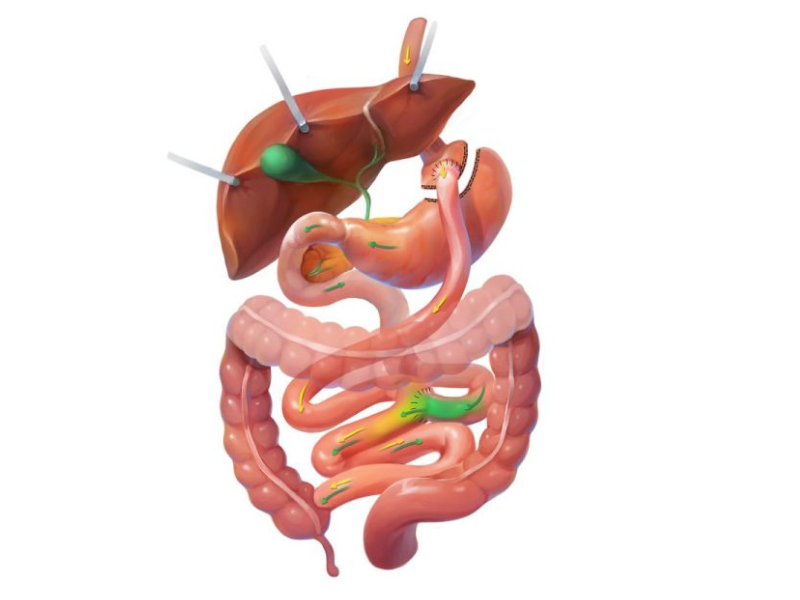
The gastric bypass combines restriction and malabsorption. The amount of food a patient consumes is restricted by the reduced size of the stomach, and calorie absorption is reduced by bypassing part of the intestinal tract. The first phase of surgery involves cutting away approximately 85% of the existing stomach. The remaining usable stomach pouch is about the size of a golf ball. The larger part of the stomach remains in the abdomen, receiving no food, but contributing digestive juices further down the digestive tract.

The second part of the procedure bypasses a portion of the small intestine, reducing the surface area of the intestine exposed to food and limiting caloric absorption.

As with most bariatric surgery procedures today, including the gastric sleeve (sleeve gastrectomy), the gastric bypass is performed in a minimally invasive manner using four or five small incisions in the abdomen, rather than the traditional open surgery that employs a large single incision. The procedure can also be performed with our surgical robot’s assistance. Procedures are typically performed in a hospital setting and require an overnight stay.
Results of the Gastric Bypass

As mentioned above, the gastric bypass was considered the gold standard in bariatric surgery because of the exceptional weight loss and disease resolution potential it offers. Of course, these benefits are only fully realized when patients stick to their diet and exercise regimen after surgery so that results will vary. However, patients can expect to lose between 65% and 80% of their excess body weight. Most impressively, gastric bypass patients can improve or eliminate many of the diseases associated with obesity very soon after surgery. This is particularly true of type 2 diabetes, which often goes into remission days after surgery, and acid reflux, which is resolved in the majority of patients.

>Results of the Gastric Bypass

Advantages of the Gastric Bypass

The gastric bypass has its main advantage in the potential for significant weight loss and improvement in obesity-related diseases. While the gastric sleeve is considered comparable in long-term weight loss, the gastric bypass is often the best option for people with uncontrolled type II diabetes as well as poorly controlled acid reflux.

Because the procedure is performed laparoscopically, pain, potential blood loss, and the risk of infection are significantly reduced compared to open surgery. The dangers of incisional hernias are decreased as well. The time spent in the hospital and the overall recovery time are minimized compared to open surgery.

Risks of the Gastric Bypass

As with any major surgical procedure, there are inherent risks of surgery, which can include a reaction to general anesthesia, blood loss, pain, infection, and, in sporadic cases, death. There are also risks associated with any abdominal procedure, which can include injury to nearby organs during surgery, hernias, and more.

The risks of the gastric bypass in particular can include, although rarely, leaks from the staple line, which require a corrective surgical procedure. Long-term patients who do not follow their post-operative diet risk stretching the stomach pouch and regaining weight. In some circumstances, a revision surgery may be appropriate.

Because of the malabsorptive component of the procedure, most patients will need to be mindful of vitamin and mineral deficiencies. In particular, vitamin D, vitamin B12, iron, and calcium. All patients will require a multivitamin daily for the rest of their lives, and blood will be drawn periodically during aftercare appointments to ensure there are no significant deficiencies.

Gastric bypass patients may also experience rapid gastric emptying, known as dumping syndrome, after their procedure, especially when they consume high-fat or high-sugar foods or if they drink during a meal. The symptoms of dumping syndrome are similar to those of hypoglycemia or low blood sugar. They are uncomfortable but rarely dangerous. While this is undoubtedly a consideration after surgery, it is also an advantage of the bypass. Dumping syndrome is self-limiting after surgery. Patients quickly understand what causes them to dump, therefore avoiding these foods and behaviors in the future.

While the gastric bypass does have greater risks and considerations when compared to purely restrictive procedures, it can be beneficial for patients who have uncontrolled type II diabetes or poorly controlled acid reflux. Most gastric bypass patients adapt to their new lifestyle very soon after surgery and maintain their weight loss over the long term.

Next Steps…

Learn more about Gastric Bypass surgery as well as other procedures by joining our seminar.