


 Share
Share
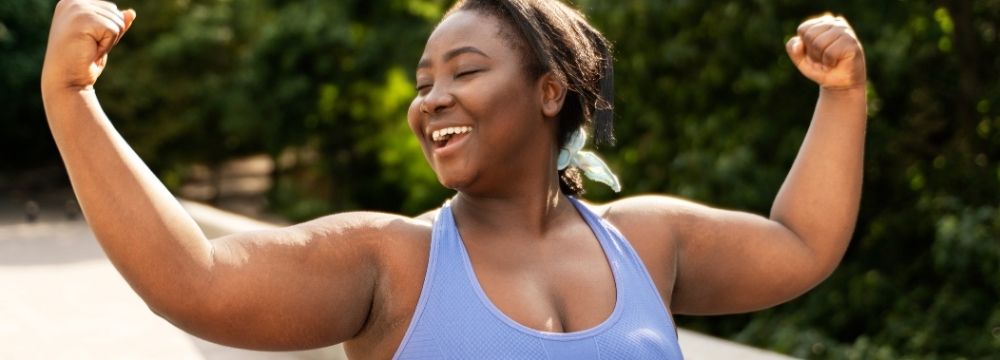
GLP-1 medications are a hot button right now. While the meds and surgery are both effective weight loss tools, researchers are still exploring the long-term effects of GLP-1 receptor agonists (GLP-1 RAs) and how best to support muscle health alongside weight loss.
As the numbers on the scale go down, there’s growing concern about what’s being lost along with the weight. Maintaining muscle mass is crucial for long-term health and function, and it deserves just as much attention as the weight loss itself.
Some people assume that all weight loss is good weight loss, but that’s not necessarily true. Losing too much lean mass can slow metabolism, reduce strength, and increase the risk of falls, especially in older adults. With the increasing popularity of GLP-1 receptor agonists like semaglutide and dual agonists like tirzepatide, researchers are looking more closely at how to support muscle health during the weight loss process.
Muscle Mass Matters
It’s typical to lose a mix of fat and lean mass with massive or rapid weight loss. But the goal is to lose as much fat as possible while holding onto muscle. Maintaining muscle mass keeps our bodies strong while also activating glucose metabolism, insulin sensitivity, and overall mobility. Preserving it is essential to maintaining a healthy resting metabolic rate and long-term weight stability.
Clinical trials have shown that GLP-1 therapies can lead to meaningful weight loss, but a portion of that weight often comes from lean tissue. Depending on the study, lean mass losses have ranged anywhere from 15% to as much as 40% of total weight lost. That variation comes down to many factors, including age, baseline body composition, comorbid conditions, exercise, and the specific medication being used.1
Imaging studies, including MRI, show that the lean mass lost during GLP-1 therapy usually matches what’s expected based on overall weight loss, aging, and health status. This lean mass loss often reflects reduced water content and fat around muscles rather than an actual loss of muscle tissue. Plus, improved insulin sensitivity and less fat inside muscle fibers suggest the muscle quality improves, lowering the risk of weakness.2
Muscle Maintenance on GLP-1 Meds
So, what can you do to help preserve muscle mass while using GLP-1 therapies?
1.Resistance Training and Physical Activity
Exercise, especially resistance training, is one of the most effective ways to preserve or build muscle while losing weight. While GLP-1 medications work to reduce appetite and improve metabolic function, they don’t provide the stimulus needed for muscle maintenance.
Incorporating exercises like weight lifting, bodyweight movements, or resistance band workouts 2-3 times per week can signal the body to retain muscle tissue. For older adults or those new to exercise, working with a physical therapist or trainer can help create a safe, effective plan. Even walking and small daily movements contribute to maintaining muscle and function.
“In addition to traditional resistance training, activities like yoga and bodyweight exercises offer benefits beyond muscle preservation. They improve muscle tone, flexibility, balance, and coordination.
2. Protein Intake and Nutrition
You can’t forget about nutrition – just because you’re taking medication to lose weight doesn’t mean you can ignore what else you’re putting in your body. Eating enough high-quality protein supports muscle repair and growth, and protein needs are higher during active weight loss, especially when combined with exercise. Spreading protein intake evenly throughout the day (rather than loading it all into one meal) can also improve muscle protein synthesis.
For patients on GLP-1 medications, especially those who have undergone bariatric surgery, appetite reduction can sometimes make it challenging to consume enough total protein. This is another reason why it’s important to be intentional about meal planning and include protein supplements.
Focus on high-quality protein sources like lean meats, poultry, fish, eggs, dairy, legumes, tofu, and quinoa. For busy days, consider portable options like Greek yogurt, protein bars, nuts, or boiled eggs to help maintain consistent protein intake. Incorporating protein into every meal supports muscle repair and growth.
3. Medical and Pharmacologic Strategies
New research from the American Diabetes Association has announced promising results from studies on combination therapies aimed at specifically preserving muscle mass during weight loss. Patients who took semaglutide (a glucagon-like peptide-1 receptor agonist specifically formulated for weight loss) alongside bimagrumab (a medication that inhibits muscle loss) in one study saw greater reductions in fat mass while preserving, or even gaining, lean mass.3 Those receiving bimagrumab alone actually increased their lean mass despite losing weight.
These findings are leading to the development of new combinations of therapies designed to support both fat loss and muscle health, particularly for individuals at a higher risk of muscle decline, such as older adults or those with chronic illnesses.
Don’t Rely Solely on Medication
GLP-1 medications are full of potential, but they work best as part of a broader lifestyle strategy. Relying on the medication alone without addressing movement, muscle preservation, and nutrition could mean trading one health risk for another. Losing weight while also losing strength or function is not a good long-term outcome.
For patients considering GLP-1 medications or currently taking them, it’s worth having a conversation with your healthcare team about muscle health. Are you meeting your protein needs? Do you have a physical activity plan in place? Would a referral to a dietitian or physical therapist be helpful?
Seeing the number go down on the scale is exciting, but healthy weight loss is about preserving strength, function, and overall well-being. Not all weight loss is created equal – protecting muscle mass and ensuring you get the proper amounts of nutrients will set you up for long-term success.
If you’re exploring weight loss options, including medications or surgery, the expert team at Strive Surgery can guide you through your options. We understand the importance of maintaining muscle mass and function as part of a sustainable weight loss regimen, alongside the many other challenges you may be facing. Schedule a consultation, and let us support you on your path to lasting health.
- American Diabetes Association 85th Scientific Sessions. (2025, June 23). New GLP-1 Therapies Enhance Quality of Weight Loss by Improving Muscle Preservation | American Diabetes Association. Diabetes.org; American Diabetes Association. https://diabetes.org/newsroom/press-releases/new-glp-1-therapies-enhance-quality-weight-loss-improving-muscle-0.
- Neeland, I. J., Linge, J., & Birkenfeld, A. L. (2024). Changes in lean body mass with glucagon-like peptide-1-based therapies and mitigation strategies. Diabetes, obesity & metabolism, 26 Suppl 4, 16–27. https://doi.org/10.1111/dom.15728.
- American Diabetes Association 85th Scientific Sessions. (2025, June 23). New GLP-1 Therapies Enhance Quality of Weight Loss by Improving Muscle Preservation | American Diabetes Association. Diabetes.org; American Diabetes Association. https://diabetes.org/newsroom/press-releases/new-glp-1-therapies-enhance-quality-weight-loss-improving-muscle-0.


